

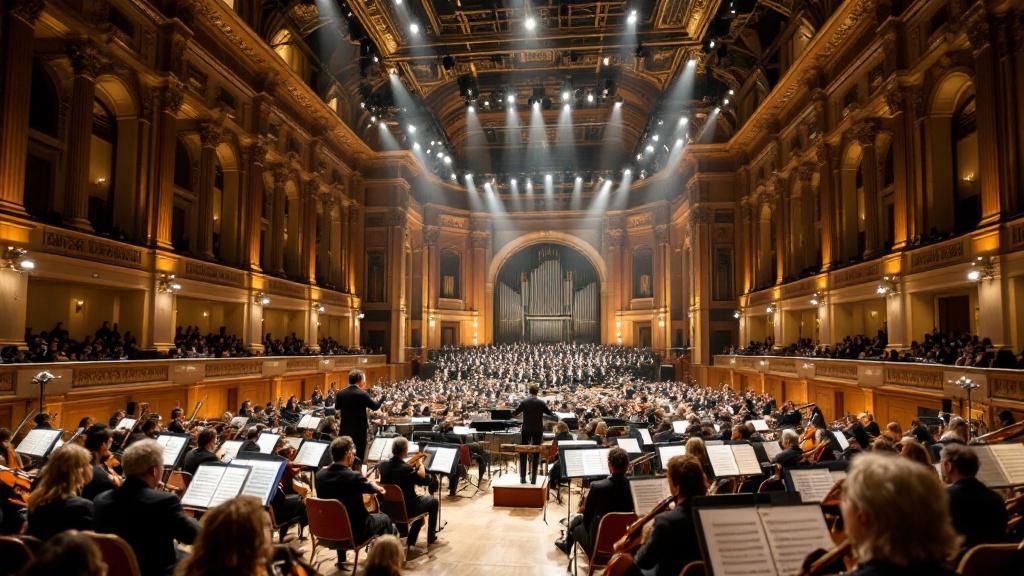
Britain’s traditional orchestral venues are witnessing an unprecedented renaissance, with performance venues and concert halls across the nation reporting remarkable attendance figures and substantial revenue increases. This resurgence defies previous forecasts of waning enthusiasm in traditional orchestral performances, revealing instead a strong enthusiasm for classical music amongst listeners across all age groups. This article examines the forces behind this artistic resurgence, investigates which venues are thriving most spectacularly, and considers what this expansion means for the future of classical music in Britain.
Growing Attendance Figures Throughout the Country
The surge in classical music attendance across Britain demonstrates a notable transformation in cultural engagement, with venues recording visitor numbers that have exceeded even the most optimistic projections. From small chamber venues to grand concert spaces, establishments throughout the country have experienced steady increases year-on-year, suggesting a lasting rather than brief interest in orchestral and classical performances. This upward trajectory has been particularly pronounced in regions traditionally seen as peripheral to the classical music circuit.
Statistical examination shows that this expansion extends beyond London and the Southeast, with area venues experiencing comparable percentage rises in footfall. Younger demographics, traditionally poorly represented at classical performances, now make up a considerable proportion of visitors, indicating effective community and artistic efforts. The expansion of musical offerings and forward-thinking marketing tactics have evidently appealed with audiences, converting classical music from a specialist activity into mainstream entertainment.
Large City Concert Halls Drive the Expansion
London’s premier concert halls have experienced the most significant attendance growth, with some venues reporting standing-room-only performances and expanded booking periods. The Royal Albert Hall, Barbican Centre, and Southbank Centre have all benefited substantially from this renewed enthusiasm, broadening their programming to satisfy demand. These principal establishments have emerged as cultural focal points, attracting both established classical enthusiasts and interested newcomers eager to experience symphonic works and chamber music performances.
Beyond the capital, major urban hubs including Manchester, Birmingham, and Edinburgh have equally benefited from increased enthusiasm in classical music. Their respective concert halls have implemented complex reservation frameworks and dynamic pricing strategies to manage unprecedented demand. Investment in enhanced facilities and performer sourcing has further strengthened these venues’ competitive advantage, positioning them as essential destinations for touring orchestras and world-class solo performers across Britain.
- Royal Albert Hall visitor numbers rose by forty-two percent year-on-year.
- Barbican Centre broadened its programme to meet growing audience demand.
- Southbank Centre reported record subscription renewals and fresh member sign-ups.
- Manchester’s Bridgewater Hall lengthened its performance calendar successfully.
- Edinburgh’s Usher Hall reached peak revenue levels in its history.
Financial Performance and Business Growth
The economic performance of Britain’s traditional music establishments has demonstrated impressive strength and expansion during the last fiscal period. Revenue streams have increased significantly, with many venues showing growth of ten percent or more relative to the preceding period. This growth demonstrates not only stronger attendance earnings but also multiple funding streams, such as improved commercial relationships, patron funding, and novel additional revenue programmes that have bolstered organisations’ financial security.
Beyond basic attendance metrics, the economic impact of classical music venues extends significantly into local communities and regional economies. Venues have channelled excess funds into facility improvements, artist compensation, and educational programming, thereby establishing a lasting framework that serves musicians, attendees, and local commercial ventures. This economic wellbeing enables venues to curate bolder artistic calendars and secure celebrated international groups, further elevating Britain’s cultural standing globally.
Ticket Revenue and Sponsorship Expansion
Ticket sales have emerged as the leading contributor of revenue expansion across Britain’s classical music market. Luxury seating tiers have experienced particularly strong demand, with patrons displaying readiness to commit significant resources in improved sight lines and privileged interaction to artists. Concurrently, subscription models have engaged committed listeners wanting affordability and ease, establishing consistent financial returns that enable forward planning and programming decisions for venue leadership.
Corporate sponsorship has grown substantially as businesses recognise the cultural prestige and listener involvement opportunities connected to classical music partnerships. Prominent financial organisations, premium product lines, and multinational corporations have substantially boosted investment in venue sponsorships and production backing. These partnerships have enabled venues to alleviate cost burdens whilst simultaneously enhancing production values, creating a mutually beneficial arrangement that strengthens both cultural institutions and corporate brand positioning.
- Premium ticket prices rose by approximately 15% across leading venues
- Corporate sponsorship deals expanded significantly, attracting Fortune 500 companies nationwide
- Season subscription packages achieved record-breaking subscriber levels and renewal rates
- Individual donor contributions increased markedly via enhanced fundraising campaigns
- Merchandise and ancillary sales generated extra income sources for these venues
Future Outlook and Strategic Developments
The pathway of Britain’s classical music venues appears remarkably positive, with industry analysts forecasting sustained growth over the next ten years. Venue operators and arts organisations are capitalising on present opportunities by broadening their event calendars and improving patron involvement programmes. This strategic approach promises to strengthen the advances realised in recent years whilst attracting new demographics to classical performances, ensuring the industry’s ongoing success and artistic significance.
Looking ahead, many venues are dedicating considerable funding to modernising their facilities and embracing new digital platforms to engage larger listener bases. Combined concert approaches, merging in-person shows with online access, are becoming increasingly prevalent Britain’s classical music landscape. These initiatives reflect a dedication to making music accessible and inclusive, positioning the sector for long-term sustainability and helping classical music prosper in an dynamic cultural landscape.
Capital allocation towards Infrastructure and Programming
Major concert halls throughout Britain are undertaking substantial funding projects to improve their venues and improve audience experiences. These improvements include upgraded seating arrangements, improved sound systems, and cutting-edge technical infrastructure. Such facility upgrades are crucial in maintaining competitive edge and ensuring venues remain world-class destinations for classical music performances. Investment decisions are guided by audience feedback and emerging technological innovations that promise to enhance the concert-going experience.
Programming approaches are becoming ever more sophisticated, with curators crafting themed seasons that resonate with diverse audience segments. Collaborations with international orchestras and renowned soloists are enhancing Britain’s standing as a top-tier classical music hub. Educational initiatives and community involvement programmes enhance traditional concert programming, nurturing long-term audience growth. These multifaceted approaches reflect venues’ commitment to artistic achievement whilst securing financial viability and cultural influence.
- Expanding digital streaming platforms for distant listener engagement
- Developing mentorship programmes supporting aspiring orchestral performers
- Introducing accessible performance programmes with affordable ticket pricing
- Forming partnerships with schools and universities for outreach activities
- Introducing sustainable practices minimising environmental venue footprints
